Christmas gatherings are different from most other celebrations. People do not arrive at the same time, meals are rarely eaten in a fixed order, and the focus is more on conversation than on formal dining.
In this setting, food needs to be flexible. That is why Christmas finger foods often matter more than an elaborate main course. They are eaten casually, shared easily, and remembered long after the gathering ends.
Finger foods shape how guests experience the evening. When they are easy to pick up and satisfying to eat, guests relax. When they are messy, awkward, or overly complicated, people hesitate.
Why Christmas Finger Foods Leave a Lasting Impression
Finger foods are usually the first thing guests eat, and first impressions last. They set expectations for the rest of the meal and influence how comfortable people feel around the table. Well-chosen Christmas finger foods create a sense of ease. Guests do not have to ask questions, wait for plates, or interrupt conversations to eat.
What makes these foods memorable is not novelty alone. It is how well they fit into the flow of the gathering. Food that can be eaten while standing, talking, or moving around naturally becomes part of the experience rather than a pause in it.
Familiar Flavors Build Confidence
At Christmas, most guests prefer food they recognize. This is not the time when people want to analyze ingredients or take risks with unfamiliar combinations. Familiar flavors create confidence. When guests know what they are picking up, they are far more likely to try it.
Classic choices such as stuffed mushrooms, mini grilled cheese bites, cocktail sausages, paneer-based snacks, or potato bites continue to work year after year because they are dependable. The difference between forgettable and memorable versions of these dishes lies in small details. A sharper cheese, a lightly spiced glaze, or a well-paired dip can elevate something simple without making it unfamiliar.
These kinds of Christmas finger foods are approachable. They encourage guests to help themselves and return for seconds without hesitation.
Thoughtful Twists Without Overcomplicating The Menu
While familiarity is important, a Christmas spread should not feel predictable. A few carefully chosen variations keep the table interesting and give guests something new to talk about.
This could mean adding puff pastry pinwheels with bold fillings, mini waffle bites topped with spiced chicken or paneer, or cheese-filled bread bites served with contrasting sauces. These items stand out because they offer a change in texture or flavor, not because they are complicated.
The key is restraint. Too many experimental dishes can confuse guests and dilute the impact of the food.
Creating Balance Without Overwhelming Guests
Many hosts assume that a generous spread means offering as many dishes as possible. In reality, too much choice can feel overwhelming. Guests hesitate because they do not know where to start, and individual dishes lose their impact.
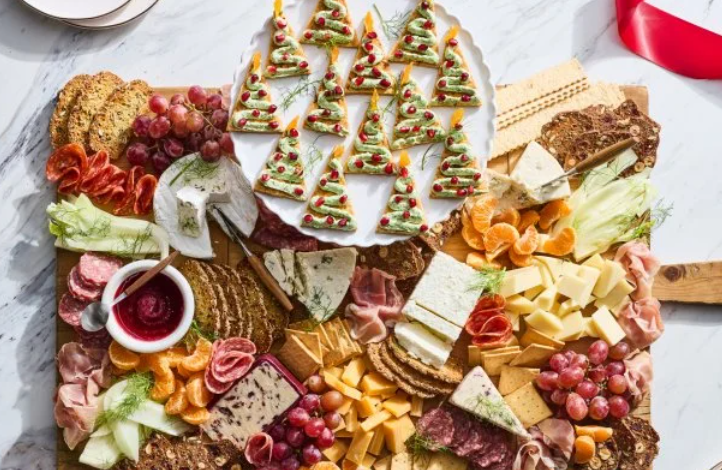
A well-balanced finger food table usually includes a mix of vegetarian and non-vegetarian options, a combination of warm and room-temperature items, and a variety of textures. Six to eight carefully chosen Christmas finger foods are usually enough for most gatherings.
When the menu feels balanced and considered, guests notice. The table feels welcoming rather than chaotic, and the food becomes part of the atmosphere instead of a distraction.
Timing Plays a Major Role in How Food Is Remembered
Another factor that often gets overlooked is timing. Finger foods should appear steadily rather than all at once. When everything is placed on the table at the beginning, food goes cold, loses texture, and fades into the background.
Serving items in stages keeps guests engaged and encourages them to revisit the table. This approach requires planning and attention, which can be difficult for hosts managing multiple responsibilities simultaneously.
This is where choosing a chef for Christmas Day can make a noticeable difference.
How A Chef Changes the Hosting Experience
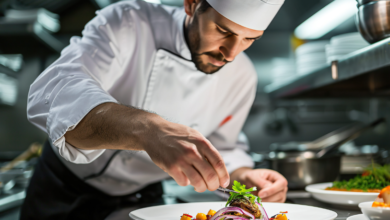
Hiring a chef for Christmas Day is not only about food quality. It is about creating a smoother experience for everyone involved. A chef plans the menu, prepares the food, and ensures that finger foods are served at the right time and temperature.
For the host, this means less time in the kitchen and more time with guests. For guests, it means consistent quality and a relaxed environment. Food prepared by a chef for Christmas Day often feels more memorable because it is well-paced and served without visible stress.
When the host is not distracted by cooking and coordination, the entire gathering feels more comfortable. Conversations flow better, and guests associate the food with a pleasant experience rather than a rushed one.
See also: The Rise of Online Poker: How Technology Reshaped the Game
What Guests Remember After Christmas Is Over
After Christmas is over, people rarely remember every dish that was served. They remember how easy the evening felt and which bites they enjoyed most.
Great Christmas finger foods do not compete for attention. They support the celebration quietly and effectively. Whether prepared at home or by a chef for Christmas Day through CookinGenie, the goal is the same: food that fits the way people gather, eat, and enjoy themselves.
That is what makes certain Christmas finger foods impossible to forget.